Celebrating Neurodiversity with NMITE Student Chloe Askew
As part of Neurodiversity Celebration Week, we are celebrating the different ways people think, learn, and solve problems. In engineering, diverse perspectives are not just welcome, they are essential for innovation.
For Chloe Askew, a first-year Integrated Engineering student at NMITE, curiosity has always shaped how she approaches the world.
Growing up in a family of engineers meant she was often surrounded by conversations about how things work. But her own fascination with science began earlier, in junior school, where she quickly became known as the student who always wanted to experiment and ask questions.
“I was always the kid who wanted to do experiments, and that curiosity just kept growing.”
That curiosity didn’t stay in the classroom. As she got older, Chloe began presenting her experiments around the country, building confidence and developing her passion for science and engineering.
Now studying at NMITE, she has found the hands-on learning environment particularly rewarding. One of her favourite experiences so far has been a team electronics project focused on improving the accessibility of a dispensing system.
“It was hands-on, challenging, and I got to work with some great people. Exactly the kind of problem-solving I enjoy.”
Alongside her engineering degree, Chloe has also achieved something remarkable: she has published her own book.
The book was inspired by her experiences during cancer treatment and reflects on resilience, neurodiversity, and her passion for science.
“I’m really proud of my book because it celebrates women in STEM, my neurodiversity, and my resilience.”
Chloe is open about the fact that writing is not her strongest skill, which is why the support of collaborators was so important. Working with a co-author and the organisation Heal Earth, she was able to bring the project to life.
“I think it’s important to be honest about that. I don’t do everything alone, and my supporters really matter.”
That sense of collaboration extends beyond her book. Chloe is actively involved with organisations supporting neurodivergent young people in science and engineering.
Through Heal Earth, she supports programmes that introduce neurodivergent children to sustainability and environmental education. Chloe has always loved nature, and helping young people learn how to protect it is something she finds particularly meaningful.
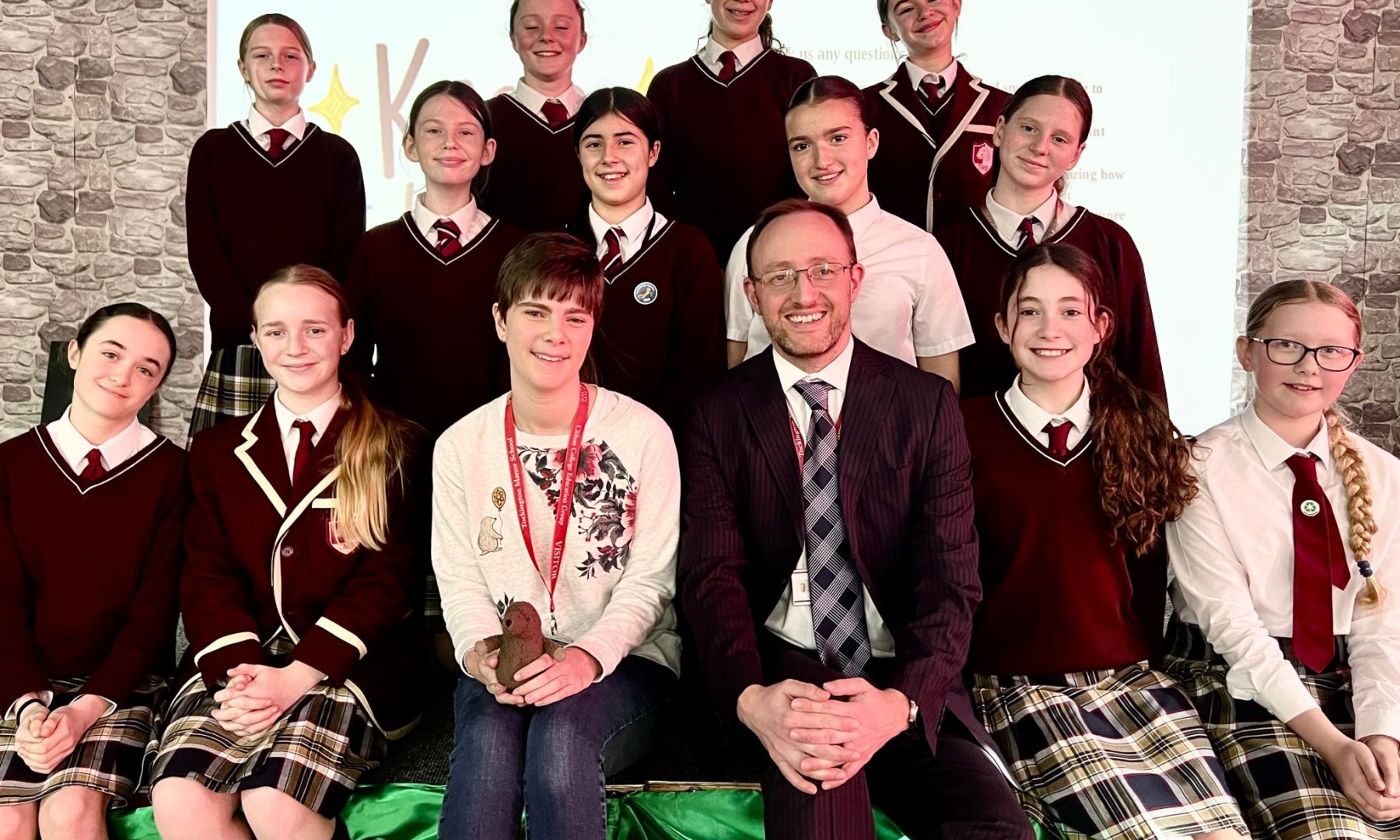
She is also involved with the Lightyear Foundation, which supports disabled and neurodivergent students in STEM. What began as receiving support from the organisation eventually led to Chloe presenting at events such as the House of Lords and the Institute of Physics, contributing to their Squar3roots podcast, and helping create a youth forum that gives young people a voice in shaping accessibility in STEM.
The same month Chloe started her studies at NMITE, she also launched her book, became a youth director of Heal Earth, and joined the board of the Lightyear Foundation.
“Starting NMITE, launching my book, becoming a youth director of Heal Earth, and joining the Lightyear Foundation board all in the same month was… a lot. Amazing, but a lot.”
As a neurodivergent student, Chloe says that the way she approaches problems can be different, but she sees that difference as a strength.
“Being neurodivergent means I often approach things differently. I’m not going to lie and say it’s always amazing, sometimes it’s challenging, but a lot of the time it’s a strength.”
She explains that her way of thinking helps her notice patterns and solutions that might not immediately stand out to others.
“I’m good at spotting patterns or solutions that aren’t always obvious.”
In engineering, that perspective can be powerful. Chloe believes neurodivergent thinking brings valuable skills to the field, including the ability to break down complex problems, focus on details others may overlook, and approach technical challenges creatively.
“Engineering needs people who think in different ways.”
Her advice to other neurodivergent students considering science or engineering is clear and encouraging.
“Your way of thinking is valuable and amazing, even if it doesn’t look like everyone else’s.”
She also encourages students to seek support and build communities that celebrate their strengths.
“Ask for support when you need it. Asking for help is not a weakness.”
Most importantly, she believes students should feel confident in being themselves.
“Masking is really tiring. Imagine if you could use that energy instead to change the world.”
At NMITE, we believe engineering thrives when people bring different perspectives and experiences. Chloe’s story is a powerful reminder that curiosity, resilience, and individuality can drive innovation in unexpected ways.