It is believed that NMITE is the market leader in Challenge-Based Learning (aka Learning-by-Doing), with engineering departments at only three other UK universities and nine across Europe adopting the Confucian precept: “I hear, and I forget. I see, and I remember. I do, and I understand."
Since NMITE’s first cohort of students started in September 2021, over 60 partners have acted as challenge sponsors. Those partners, ranging from Herefordshire SMEs to global multi-nationals, were active in a range of sectors including: Agri-tech, Charitable, Construction, Energy, Health, Housebuilding, Infrastructure, Manufacturing, Security and Transport.
Adding to the depth of the student experience was the scale of the markets in which those partners operated and thus the context in which the challenges had to be addressed. Herefordshire companies represented about a third of the partners, of which half had national and or international customers. 26 were UK companies, of which 12 had a presence in the county, with twelve global organisations – seven with a local footprint – completing an ever-growing roster.
Notable challenges include a wall that fits in a suitcase to demonstrate externally mounted key safes, developing a policy brief for companies wishing to sell new technology to the National Health Service and a feasibility study on electricity distribution grid-resilience for rural communities.
One of the sixty partners is Network Rail, whose 22,000 km network has thousands of small streams and drainage channels flowing through culverts under its tracks. If the grates protecting the, often very remote, culverts are not kept clear of debris, then the damage can be disruptive and expensive to repair. The Challenge, from Network Rail to 40-plus first-year students, was to design and manufacture for £50 or less a monitoring system that would both alert maintenance teams and quantify the blockage.
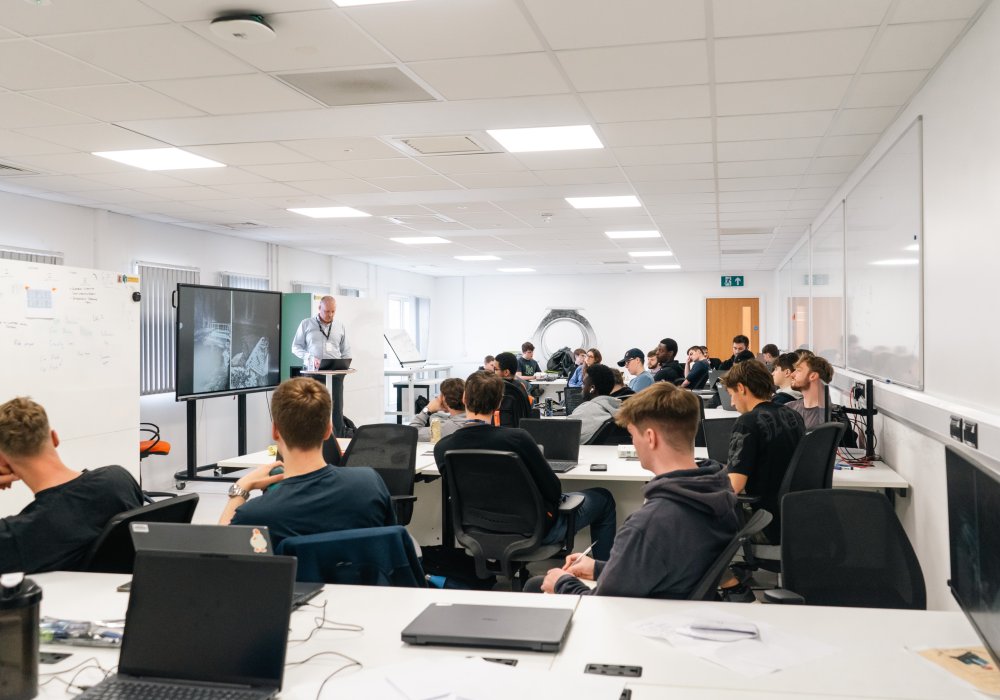
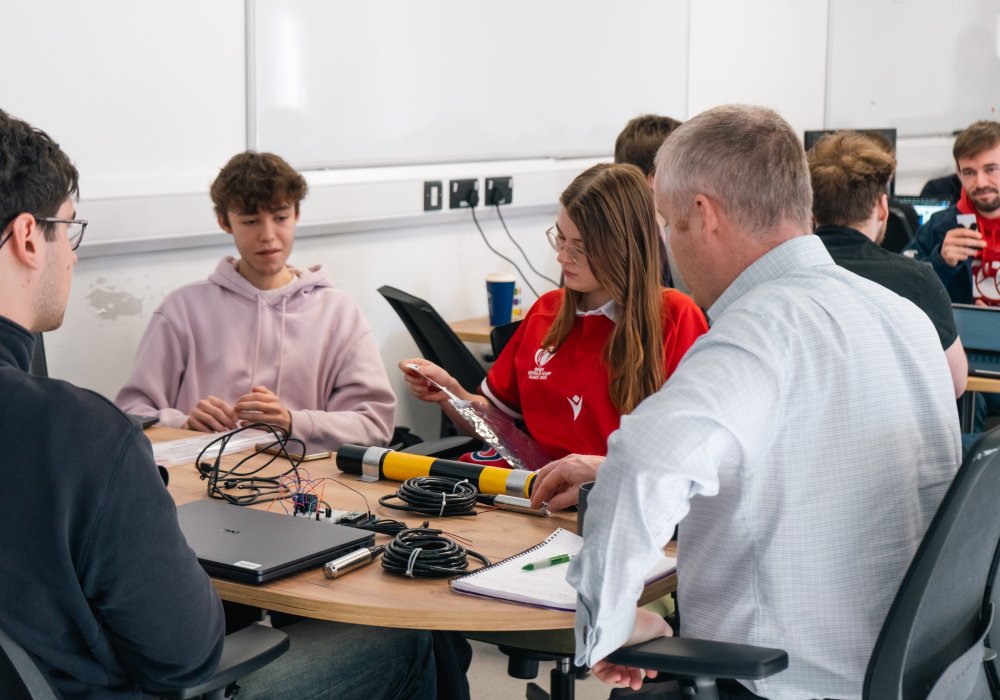
Given the challenge by Network Maintenance Engineer Alex Leigh, the students, working in teams of five, had just 17 days to develop and make their solution and then present a working prototype back to the Network Rail team.
“During the course of this project, it has been interesting to see the diversity of teams and the range of solutions being considered, said Alex. “We have seen examples of excellent presentations, teamwork and management as well as the all-important design considerations. Many are using similar sensors in various arrangements, while some more unique solutions are also very promising.
“I'm glad most teams understood aspects of budget control, efficiency, reliability, installation and maintenance requirements. We look forward to seeing the outcome of this project and would be glad to support more work like this in the future.”
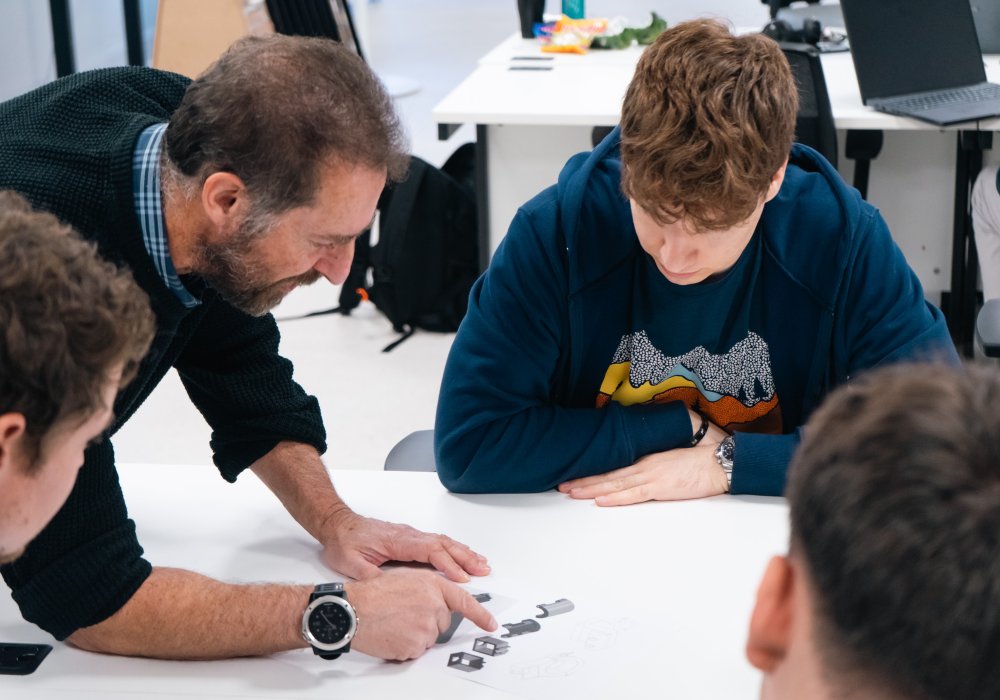
“This is the first of 15 or more Challenges (set by business partners) that students will face during their course,” explained module leader, Associate Professor, Peter Metcalfe: “Apart from the engineering learning that these challenges provide, they also start to build students’ engineering mindset. They begin to experience team working – which many struggle with; they learn how to question a brief and explain their solutions; they learn how to make their ideas work and realise that failure is an opportunity to find a better answer.”